
Choosing the right cutting blade might seem like a small decision, but it can make a huge difference in performance, safety, & overall efficiency. Whether you are trimming a fine beard, slicing through rigid packaging, or working on a large industrial project, the right blade can elevate the job. But with so many options out there, it’s essential to know what makes a blade the best fit for your task. Here are a few things to consider when selecting the correct stainless blades for your needs.
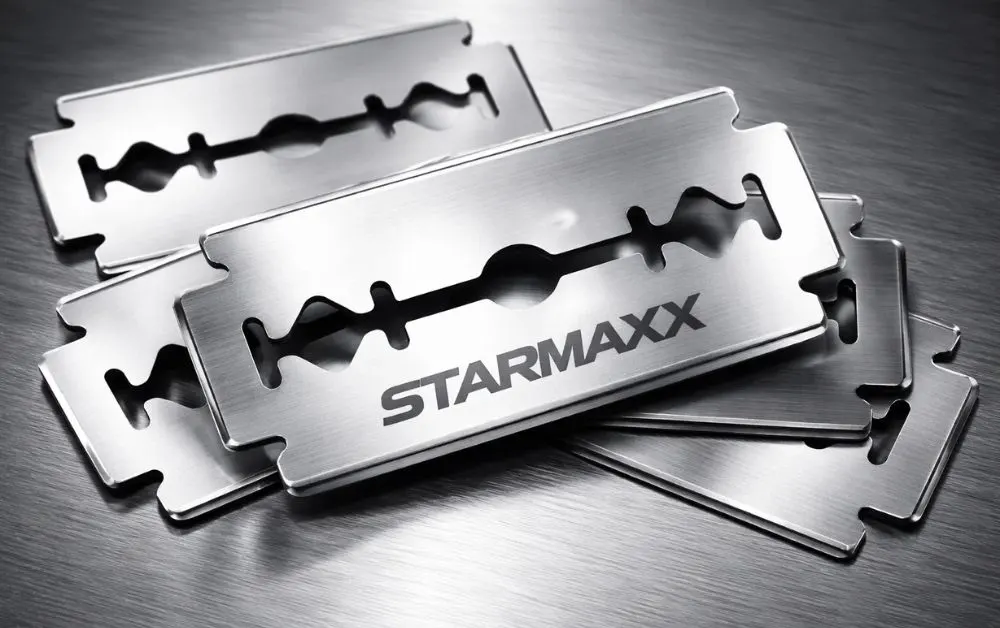
1. Identify the Purpose of Your Cutting Task
The first step in choosing the right blade is figuring out what kind of job you’ll be doing. Are you cutting fine details, like trimming a beard or carving wood?
For precision work, a blade needs to be sharp & controlled to give you clean, crisp cuts. For more challenging tasks, you need something more durable, designed to handle pressure & continuous use without dulling quickly. Knowing the purpose will aid you narrow down your options & avoid buying a blade that is not up to the job.
2. Understand Material Composition & Steel Quality
The material the blade is made from has a significant impact on its performance. Steel quality affects factors like sharpness, durability, & rust resistance. For cutting blades, stainless steel is often the go-to option because it is strong, corrosion-resistant, and easy to maintain.
But not all stainless steel is created equal. You want a blade that’s made from high-carbon stainless steel, as it offers better edge retention and strength. Look for blades that resist rust while maintaining their edge for longer, even after repeated use & exposure to moisture.
3. Focus on Sharpness and Edge Longevity
Sharpness is the first thing you notice when using a blade, and for good reason. A sharp blade allows you to cut through materials with minimal force, which means cleaner, more precise cuts. Less force also means less strain on your hands & a lower risk of damaging materials.
But sharpness alone is not enough. Edge longevity is just as important. A blade that dulls quickly will require frequent replacements, increasing costs & disrupting your workflow. See for blades that are precision-ground or heat-treated to ensure they stay sharper longer. A sharp, long-lasting edge means you won’t have to worry about frequent maintenance or replacements.
Related read:-The Benefits of Using Stainless Blades for a Smoother Shave
4. Choose the Right Thickness and Strength
The thickness of the blade determines both its precision & durability. Thin blades are ideal for fine-cutting tasks that need control & delicate work. Think of trimming or crafting fine lines. On the other hand, thicker blades are better for heavy-duty cutting, like slicing through dense materials or tackling challenging, repetitive tasks.
When picking a blade, make sure the thickness matches the task at hand. A too-thin blade for heavy work can cause it to snap or bend. A too-thick blade for precision work might make cuts less smooth & harder to control.
5. Consider Safety and Ease of Handling
Safety should always be at the forefront when picking cutting tools. Even the sharpest, best-made blade is not much use if it is not easy to handle. A blade that feels comfortable & secure in your hand reduces the risk of slips or injuries.
Look for blades that are ergonomically designed & provide a solid grip. If you’re using the blade regularly, this is even more important, as the added comfort and control will prevent hand fatigue and keep your work more efficient. Also, make sure that the blade fits securely into its handle or tool, as a wobbly blade can make cutting unpredictable and unsafe.
6. Look for Reliable Manufacturing Standards
Quality manufacturing makes all the difference when it comes to blade reliability. Good manufacturers follow strict quality control standards, ensuring a uniform blade every time. If you are purchasing blades from a brand you trust, you can be more confident in their performance & consistency.
It’s worth considering the manufacturer’s reputation & whether they hold industry certifications or adhere to internationally recognized production standards. This way, you can be sure the blade is designed to perform well and meet your needs.
In Conclusion
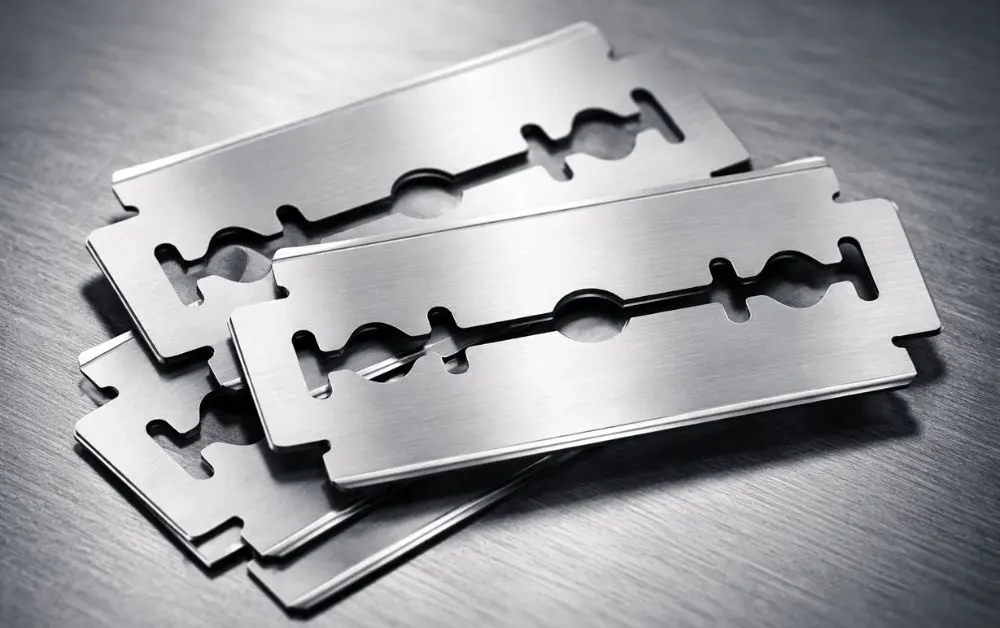
Selecting the right cutting blade comes down to knowing your task, understanding the materials, and choosing a blade that balances sharpness, durability, precision, and safety. For businesses or individuals seeking high-quality stainless blades that deliver precision, reliability, & long-term performance, Starmaxx Group offers expertly crafted cutting solutions that meet the highest standards across industries.